The UAE is a year-round destination, but the experience changes a lot with the seasons. Here is what each part of the year is like — and how to plan around the heat, the holidays and the big events.
The short answer: October to April
From late October to April the weather is warm and sunny rather than scorching, which makes it the best time for walking tours, desert trips, mountain hikes and long days at the beach. December to February is the coolest and busiest stretch, so book guides and hotels early.
Season by season
- November – March (peak season): pleasant days and cool evenings. Ideal for heritage walks in Al Fahidi, desert camps and outdoor dining. Expect higher prices and crowds at the big landmarks.
- October and April (shoulder months): warmer, but still comfortable in the mornings and evenings, with better availability.
- May – September (summer): very hot and humid, often above 40°C. Plan outdoor sightseeing for early morning or after sunset and fill the middle of the day with museums, malls and indoor attractions such as the Museum of the Future.
Ramadan and public holidays
Ramadan moves about 11 days earlier each year. It is a lovely time to experience iftar and evening atmosphere, but daytime opening hours can be shorter and visitors should be respectful in public. Eid holidays are busy, so book tours well ahead.
Events worth planning around
- Winter festivals and shopping events in Dubai bring markets, fireworks and live shows.
- Cultural events and art fairs across Abu Dhabi and Sharjah run mainly in the cooler months.
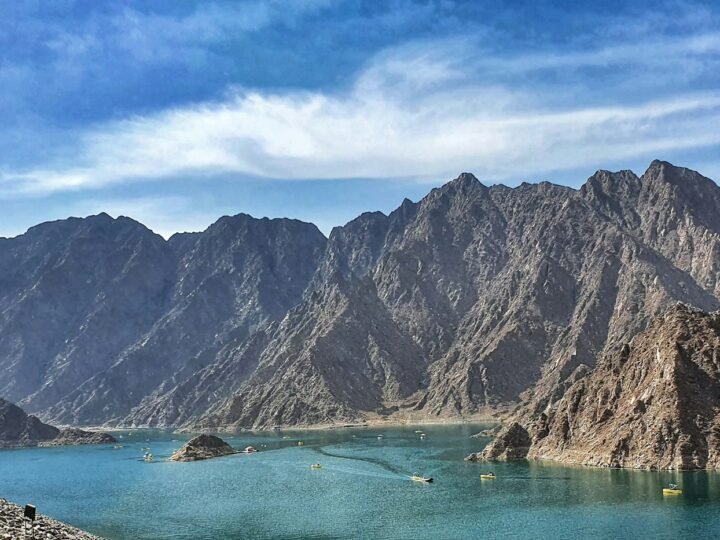
- Mountain areas such as Jebel Jais stay noticeably cooler than the coast, even in shoulder season.
Tip from our guides
Whatever the month, start early. A sunrise desert or old-town tour beats the heat and the crowds. Find a local guide who can build the day around the weather for you.